
If you have irritable bowel syndrome (IBS) you are not alone. This condition affects as many as 20 percent of people living in Western counties, making it one of the most common health complaints seen by doctors (Nature Reviews). [1] If you are among this group, you probably understand how complex and challenging it can be to get diagnosed and find irritable bowel syndrome treatment options that work for you.
In addition, this chronic condition has likely negatively impacted your quality of life. You might even have encountered medical practitioners who believe irritable bowel syndrome is purely psychosomatic, creating even more stress for you.
However, recent research confirms that irritable bowel syndrome involves physical health through the gut microbiome, food intolerances, sensitivities, allergies, and immune system dysfunction among other illnesses. Nonetheless, it is also true that IBS is associated with several mental health disorders, such as anxiety, emotional stress, and depression, and ongoing research is investigating this connection.
In this article, you will learn about research studies investigating what causes IBS, IBS symptoms, foods to avoid IBS, and IBS treatment options, including the best IBS diets.
Read on and learn about healing the gut naturally for people experiencing the challenges of irritable bowel syndrome and looking for solutions.
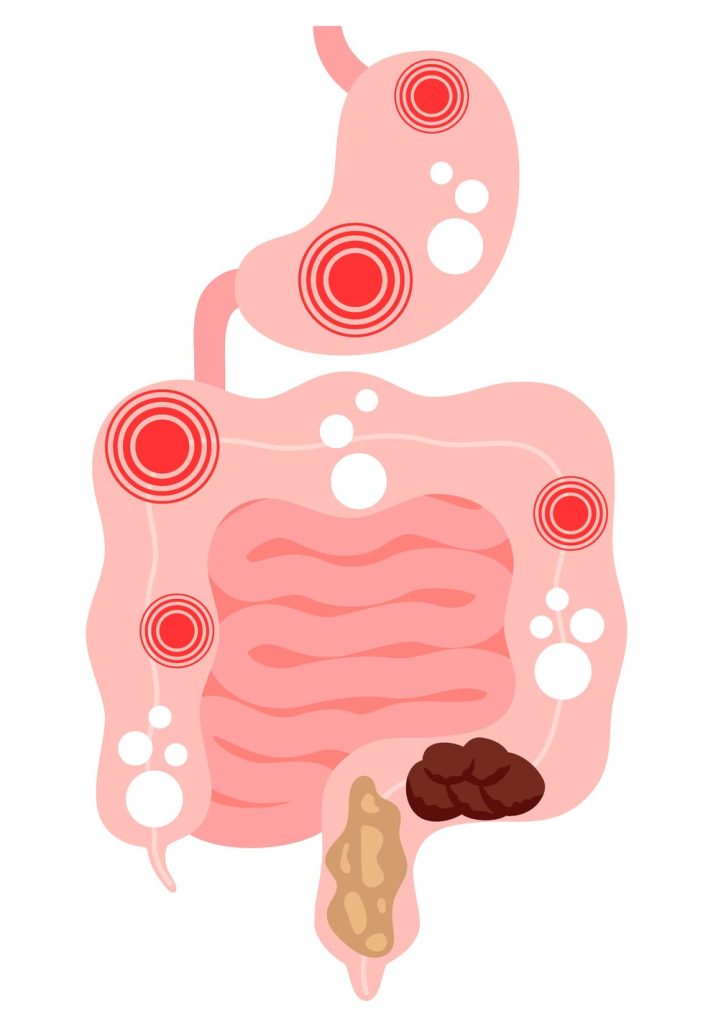
The condition we call irritable bowel syndrome, or IBS, was first researched in 1892 under the name mucous colitis. The researcher who first described it noticed that many patients with this digestive system disorder also had mental health conditions such as depression. At that time, IBS was also called a nervous colon and spastic bowels.
By 1929, the condition was renamed colonic spasm and described as an irritable or spastic colon, seen in about one-third of gastric outpatients in clinics at the time. Researchers in the 1920s also noted the symptoms of frequent abdominal pain and irregular bowel movements that are characteristic of this health issue. [2]
We now know that irritable bowel syndrome is one of several functional gastrointestinal disorders or GI disorders, including inflammatory bowel disease and Celiac disease.
The condition we call irritable bowel syndrome, or IBS, was first researched in 1892 under the name mucous colitis. The researcher who first described it noticed that many patients with this digestive system disorder also had mental health conditions such as depression. At that time, IBS was also called a nervous colon and spastic bowels.
By 1929, the condition was renamed colonic spasm and described as an irritable or spastic colon, seen in about one-third of gastric outpatients in clinics at the time. Researchers in the 1920s also noted the symptoms of frequent abdominal pain and irregular bowel movements that are characteristic of this health issue. [2]
We now know that irritable bowel syndrome is one of several functional gastrointestinal disorders or GI disorders, including inflammatory bowel disease and Celiac disease.
People of all ages, from children to teenagers to the elderly, are diagnosed with irritable bowel syndrome. However, people under the age of 50 are most likely to receive a diagnosis of IBS. Teenagers have a higher risk than young children, and many studies have found that women are affected more often than men. However, other studies find the prevalence approximately equal between males and females. One current estimate is that 25 and 45 million people in the U.S. have IBS, with about 60 percent female and 40 percent male. [4]
In addition, IBS appears to run in families. Children with one or both parents diagnosed with this condition have a higher risk factor than children without this medical condition in their close relations. [5]

The symptoms of irritable bowel syndrome vary slightly from one person to another. [6] However, most cases show the following: Frequent, recurring abdominal pain that does not have another explanation
Many of these symptoms are caused by irregular contractions of muscles in the intestine that moves food along in the digestive tract. An excess of muscle contraction can lead to a bloated feeling and diarrhea, and too little contraction in the intestine can slow down food, resulting in constipation.
IBS is grouped into four subtypes based on the person’s frequency and type of bowel movements. [7] These groups are:
The optimum treatment plan depends on which of these subtypes of IBS a person has.
Research suggests that irritable bowel syndrome has several potential causes, [8] including:
Some research suggests that Celiac disease is one of the risk factors for IBS. However, the data supporting this is still inconclusive. Celiac disease is a severe form of gluten intolerance, and some people with IBS find that their symptoms decrease when they follow a gluten-free diet. Doctors can use a blood test to diagnose Celiac disease. [8]
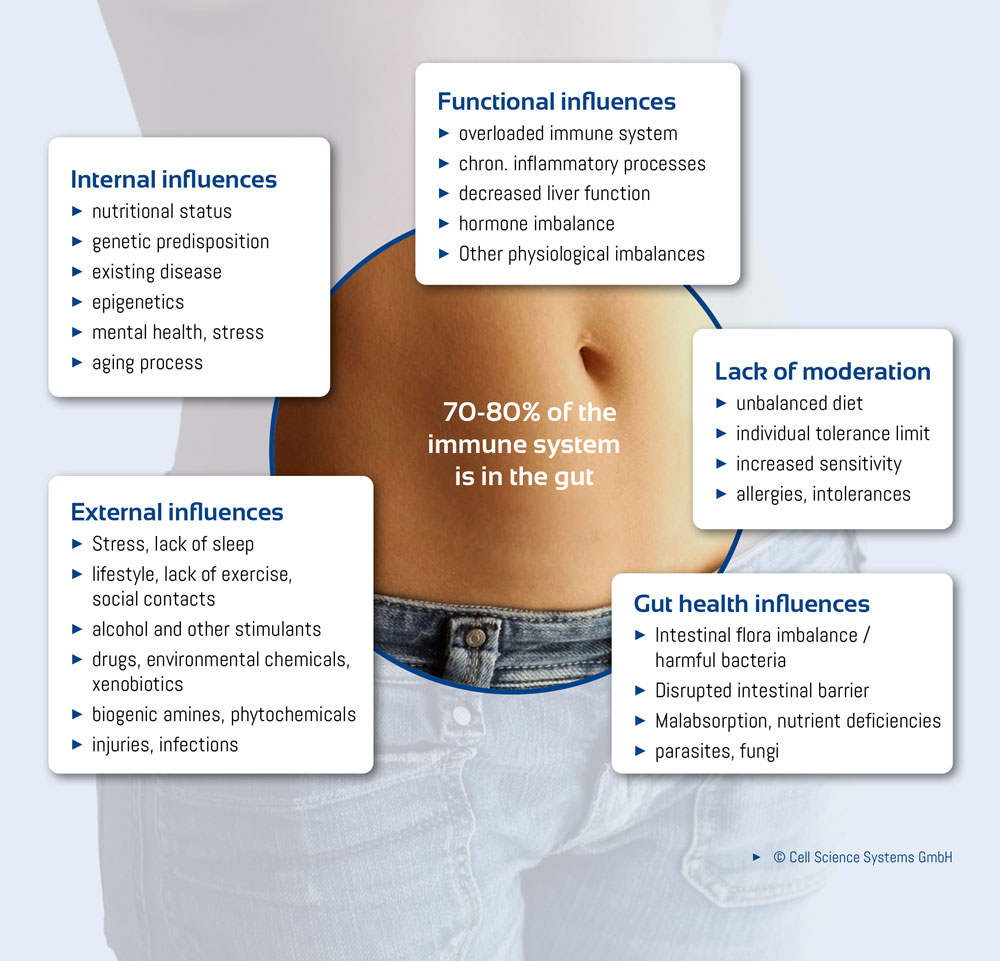
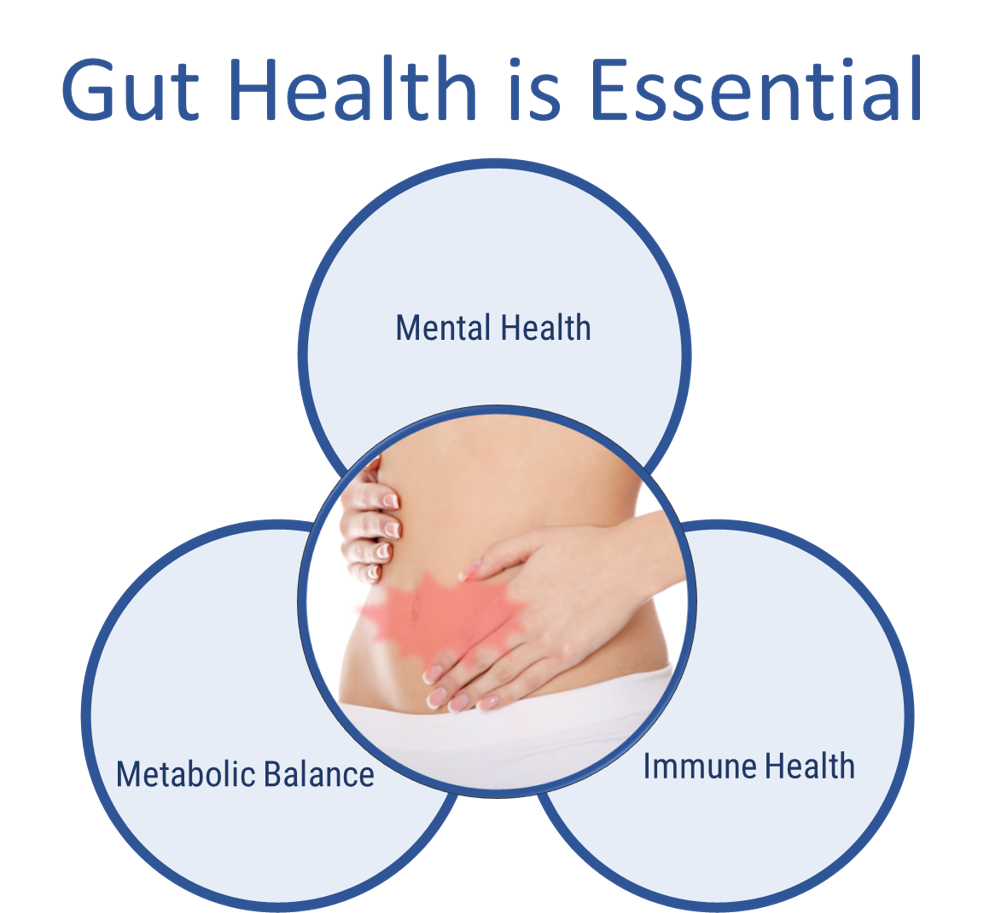
While IBS is no longer considered a psychosomatic illness by most health practitioners, much research confirms there is a genuine link between gut health and mental health. [11]
Numerous pieces of research have noted a connection between IBS and food sensitivities, food intolerances, and food allergies. Studies using exclusion diets have shown promise for relieving symptoms of IBS for some people. [12]
Since the gut’s primary function is digestion and absorption of nutrients from food, it makes sense that if someone has an allergy or intolerance to a particular food, eating those foods could easily lead to unpleasant abdominal distress. However, in several studies using exclusion diets to treat IBS, about half of the participants were able to reduce or eliminate symptoms by avoiding certain foods.
The foods most often associated with IBS symptoms include:
FODMAP foods are explained in more detail later in this article. However, for people with IBS, avoiding these foods, or exploring their relationship to symptoms by using an elimination diet, is a reasonable starting point for treating the condition.
Another avenue of research into the causes of IBS is its connection to leaky gut syndrome. The lining of the intestine is where food nutrients are broken down and absorbed into the bloodstream with the assistance of healthy bacteria residing in the gut. The intestinal lining and the health and composition of these bacteria are a crucial barrier between the external environment and the body’s interior.
The digestion and absorption of nutrients are intricately connected to the gut microbiome: the billions of healthy bacteria in the gut that help with digestion and immune system function. These good bacteria help maintain the integrity of small openings in the gut lining called tight junctions that regulate what can pass through from the intestine into the bloodstream.
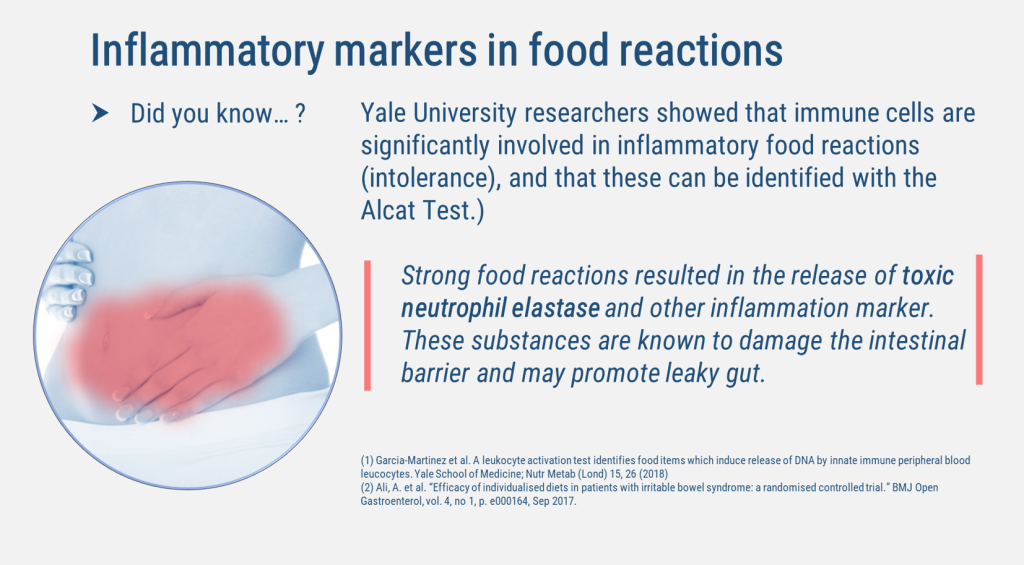
When tight junctions do not work correctly, they become more permeable, allowing unhealthy bacteria, undigested food particles, and other substances to leak past the barrier and enter the bloodstream, resulting in a chronic condition called leaky gut syndrome. Increasing evidence links leaky gut syndrome and irritable bowel syndrome. [13]

Australian researchers have recently discovered that diarrhea-predominate IBS (IBS-D) is strongly associated with a specific type of immune system exhaustion. [14] Their study, published in the journal Gut, followed patients with several types of irritable bowel syndrome for one year, examining blood samples from times when the patients experienced IBS symptoms and when they were free from symptoms.
These researchers found that all patients in their study with IBS-D showed signs of exhausted T-cells when they had IBS symptoms. They also noted the connection between emotional stress and IBS symptoms and the observation that stress can adversely affect immune response.
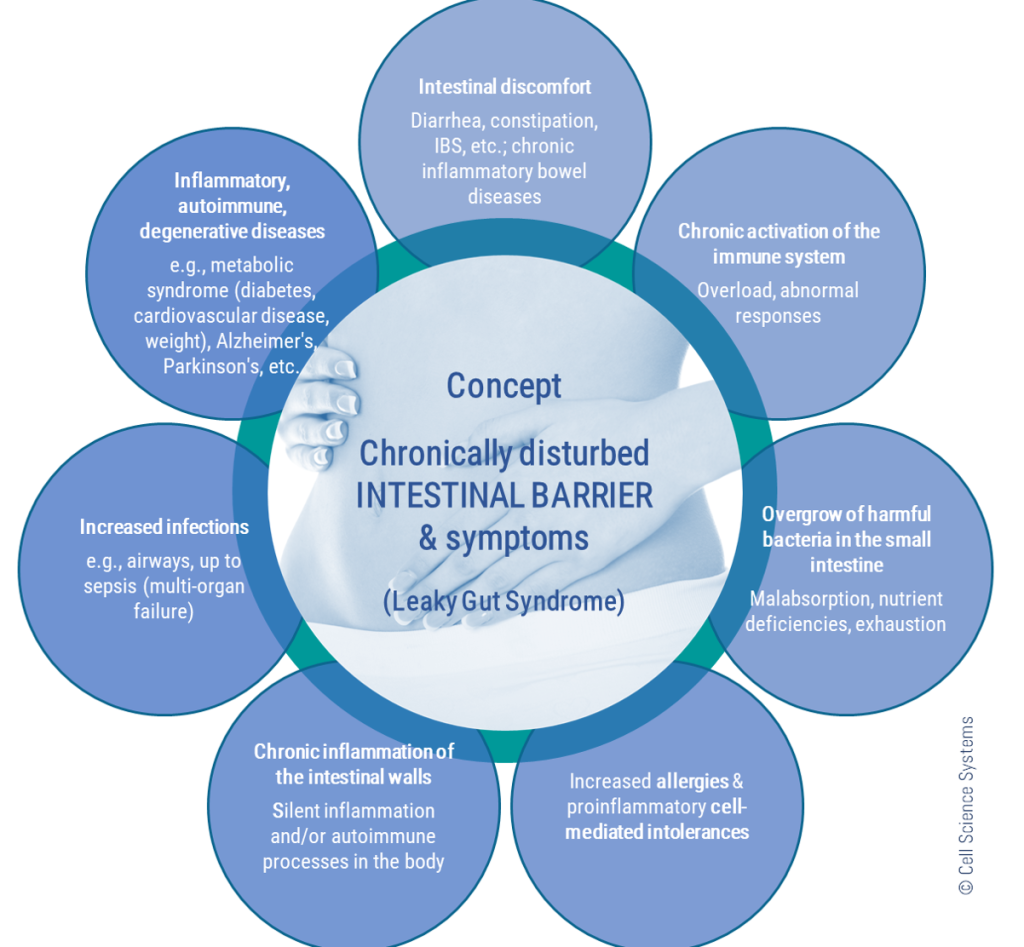
As you can see, irritable bowel syndrome is a complex health concern with at least four identified subtypes, making diagnosis difficult. In addition, not everyone has the same symptoms, adding to the challenges of correctly diagnosing this condition.
Doctors use several types of tests to make the diagnosis, along with a complete physical examination of the patient and their health history. Using the Rome VI criteria, a doctor can diagnose IBS when a patient has bouts of abdominal pain at least once per week for three months or more, along with pain during bowel movements and changes in the frequency of bowel habits and the consistency of stool. For patients with recurring diarrhea or constipation without severe stomach pain, a diagnosis of functional diarrhea or constipation is more likely. [15]
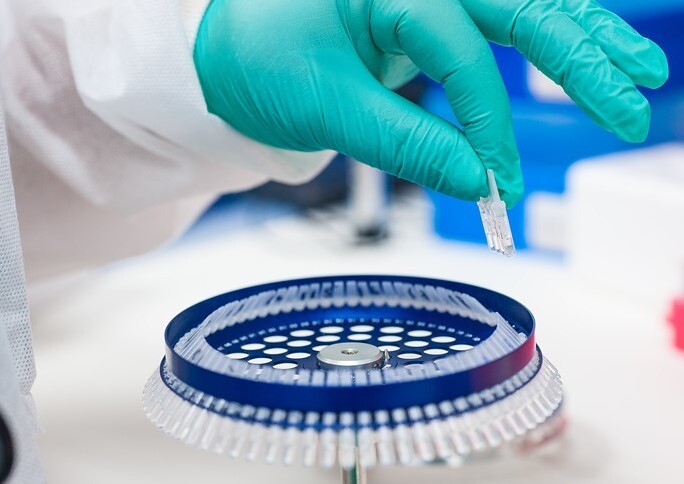
A doctor can use several laboratory tests to determine if a person has IBS or another gastrointestinal tract disorder. For example, some bowel disorders are caused by an overgrowth of bacteria in the small intestine, called Small Intestinal Bacterial Overgrowth (SIBO). The gases released from this overgrowth can be detected using a breath analysis which can help rule out a diagnosis of IBS. [16]
The Cellular Nutrition Assays (CNA) look for nutritional substances like vitamins in cells to see if they are adequate or deficient. A CNA test can also eliminate or verify a diagnosis of IBS. The Pimentel Lab has also developed a blood test for IBS diagnosis. [17]
The ALCAT test identifies foods that provoke a cellular response of immune cells called leukocyte activation (LA). This test has been shown in randomized, double-blind studies to be effective for determining which specific foods a patient cannot properly digest, leading to IBS symptoms. Eliminating these foods from the diet can result in an end to irritable bowel syndrome symptoms. [18]
Other tests doctors use for diagnosing IBS include:
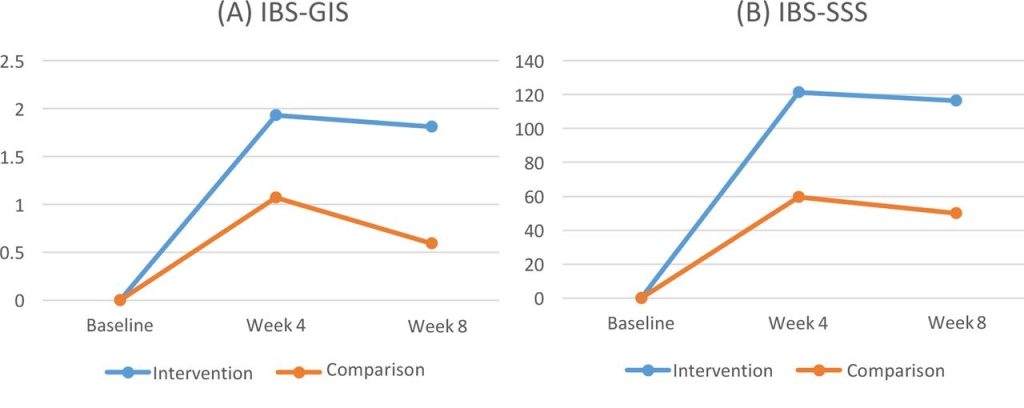
Yale School of Medicine – a double blinded study shows that patients with irritable bowel syndrome improved significantly using the Leukocyte Activation test (Alcat test for food sensitivity) (blue line) vs. the comparison/placebo group (red).
Many people successfully treat IBS by reducing stress, making changes to their diet, adopting a healthy lifestyle, and seeking mental health therapy. Let’s look at each of these approaches in turn before we explore individualised approaches.
While there is still much to learn about the causes and treatments of IBS, one fact is clear: There is a strong association between IBS and emotional stress. [19] One theory is that some people are more susceptible to IBS due to genetics, a history of trauma or ongoing stress, or a history of other gastrointestinal disorders. For these people, sustained stress can affect the brain-gut axis, resulting in the onset or exacerbation of IBS symptoms.
You can relieve stress and potentially reduce or eliminate IBS symptoms through:
Meditation and mindfulness practice
Many people know that the typical Western diet of processed and fast food is unhealthy. If you have a diagnosis of IBS, your doctor is likely to advise that you avoiding certain foods and centering your diet on other foods that are healthier for your digestive system and overall health. Foods to avoid IBS include: [20]
When planning a diet to control IBS symptoms, the following foods are most likely to be digested without problems. [22]
In addition, drinking plenty of fresh water, eliminating alcohol, caffeine, and soft drinks, and increasing dietary fiber are all helpful for controlling IBS symptoms.
One dietary approach for treating IBS is called the low FODMAP diet. FODMAP is short for “fermentable oligosaccharides, disaccharides, monosaccharides, and polyols,” which are short-chain, highly fermentable carbohydrates
FODMAP foods are not easily absorbed in the small intestine, increasing fluid in the digestive tract and potentially leading to bloating, abdominal cramping, and diarrhea. This website provides a comprehensive list of high and low FODMAP foods.
In one studyof Harvard Medical School of FODMAP diets, 76 percent of patients who adhered to the diet significantly reduced or eliminated their IBS symptoms. Drinking plenty of water is also a crucial part of a healthy diet and can help with healing IBS. [21]
Probiotics are foods that contain large amounts of gut-friendly bacteria that can help to restore and maintain the balance of healthy microorganisms in the intestine. Regularly eating probiotic foods can help balance the populations of these beneficial bacteria in the gut. Probiotic foods include:
You can also ingest probiotics as a supplement if you cannot tolerate the foods on the above list. Research has found that even inactivated probiotic bacteria in supplements are effective for relieving IBS symptoms for many people. [24]
Prebiotic foods contain carbohydrates that probiotic bacteria eat, helping these healthy microbes thrive in the gut. Some popular prebiotic foods, like garlic and onions, are not advisable for people with IBS. However, slightly green bananas, whole grains, and guar gum provide prebiotic food sources for healthy gut bacteria. Prebiotic supplements are also available.
Another dietary intervention for healing IBS is including certain herbs in the diet. Herbs can be consumed as a tea, taken as a tincture, or added to foods. The most helpful herbs for IBS include:
Herbs for IBS can work in several ways, including soothing the gut, reducing stress, and as a laxative for relief of constipation. [23]
People striving to heal from IBS can also benefit from supplements that help regenerate the mucosal layer in the gut, such as:
Several studies have found that antioxidants are helpful in the treatment of a variety of functional gastrointestinal disorders like IBS, Crohn’s disease, inflammatory bowel disease, and ulcerative colitis, because these illnesses are associated with oxidative stress in the body. [25]
Adopting healthy lifestyle practices can also have a beneficial impact on irritable bowel syndrome. [26] Healthy lifestyle choices that can help heal IBS include:
In addition, as mentioned earlier in this article, mental health can play a role in developing IBS. If changes to diet and lifestyle do not relieve symptoms, finding a qualified mental health practitioner for supportive psychotherapy can help reduce stress and treat mental health issues that can exacerbate IBS symptoms.

Working with a health practitioner who has experience helping people heal leaky gut is also highly advisable. Each person must tailor their treatment methods to match their body type, medical history, and other individual factors.
Expect healing to take between three to six months once you start eating a healthy gut diet and implementing positive lifestyle practices.
Tip: The Alcat Test identifies pro-inflammatory foods which may contribute to leaky gut and provides a list of “recommended foods”. You can identify intracellular nutrient deficiencies and learn which nutrients benefit.

The Alcat food intolerance test is an important tool for prevention and identification of foods that can trigger inflammation in the gut. In a simple blood test, immune cells are exposed to foods, additives, medications, substances in dietary supplements, and more.
Food intolerances are mediated by cellular defenses. The inflammatory processes that occur are often hidden – hence the term silent inflammation -, and are more difficult to detect than an immediate-type food allergy.
Image right: in the resting state, neutrophil granulocytes (innate immune cell type) have a round shape. As they ingest danger-molecules or pathogens, they swell – the cell activation process begins. During a strong reaction, granulocytes can burst. Consequently, the highly toxic proinflammatory mediators – the cell’s own “arsenal of weapons”, free radicals and even DNA are released. Chronic activation of the immune system caused by food components can be associated with a wide variety of diseases (image right).

The Alcat Test includes a precise interpretation of the test results and makes a clear distinction between allergy, enzyme mediated intolerance and food intolerance, also adressed as sensitivity. It also includes the creation of a personalized profile with dietary recommendations and integrates lifestyle questions (eating out, vacations, celebrations, consumption of stimulants, stress reduction).
The Alcat Test has been validated in double-blinded studies for determining specific dietary recommendations relevant to food intolerances that might help prevent disease. → More information
This personalized diet concept allows you to address effectively underlying inflammatory processes and prevent the development of chronic diseases.
Information about the Alcat Food Inflammation Test and Cellular Micronutrient Tests
Irritable bowel syndrome is a functional gastrointestinal disease affecting the digestive system and resulting in painful and unpleasant symptoms such as bloating, gas, abdominal cramps, diarrhea, and constipation. This chronic condition was once thought to be essentially psychological. However, we now know that while irritable bowel syndrome is often associated with mental health problems like depression, anxiety, and stress, physical health also plays a central role in this illness.
Diagnosing and treating IBS can be challenging because this disease has several subtypes and requires individually tailored solutions. Nonetheless, there are now several reliable laboratory tests for diagnosis, and dietary and lifestyle changes can produce positive results and improve the quality of life for most people.
German version of this article: Reizdarm Syndrom
[1] https://www.nature.com/articles/nrgastro.2014.127
[2] https://www.thelancet.com/journals/lancet/article/PIIS0140-6736(97)05276-8/fulltext#:~:text=The%20term%20%E2%80%9Cirritable%20colon%E2%80%9D%20first,similar%20to%20its%20present%20one.
[3] https://www.medicalnewstoday.com/articles/ibs-vs-colon-cancer#connection-between-both
[4] https://aboutibs.org/what-is-ibs/facts-about-ibs/#:~:text=IBS%20affects%20people%20of%20all,3%20IBS%20sufferers%20are%20male.
[5] https://www.urmc.rochester.edu/childrens-hospital/gastroenterology/conditions/irritable-bowel-syndrome.aspx
[6] https://www.mayoclinic.org/diseases-conditions/irritable-bowel-syndrome/symptoms-causes/syc-20360016#:~:text=Irritable%20bowel%20syndrome%20(IBS)%20is,need%20to%20manage%20long%20term.
[7] https://www.mayoclinic.org/diseases-conditions/irritable-bowel-syndrome/symptoms-causes/syc-20360016#:~:text=The%20walls%20of%20the%20intestines,Nervous%20system.
[8] https://celiac.org/about-the-foundation/featured-news/2016/02/irritable-bowel-syndrome-gluten-related-disorders-and-the-low-fodmap-diet/
[9] https://www.webmd.com/ibs/guide/stress-anxiety-ibs#:~:text=Although%20psychological%20problems%20like%20anxiety,cause%20your%20colon%20to%20react.
[10] https://pubmed.ncbi.nlm.nih.gov/16898626/#:~:text=Irritable%20bowel%20syndrome%20(IBS)%20is,also%20diagnosed%20with%20major%20depression.
[11] https://ibshealth.today/understanding-ibs/ibs-and-mental-health/
[12] https://www.gastroenterologyandhepatology.net/archives/january-2019/food-allergy-vs-food-intolerance-in-patients-with-irritable-bowel-syndrome/
[13] Leaky Gut and IBS: Is There a Connection? – Today’s Practitioner (todayspractitioner.com)
[14] https://www.sciencedaily.com/releases/2017/06/170620122901.htm#:~:text=A%20specific%20type%20of%20irritable,the%20immune%20system%20in%20patients.
[15] https://www.healthline.com/health/irritable-bowel-syndrome/tests-diagnosis#:~:text=IBS%20is%20a%20collection%20of,use%20a%20variety%20of%20tests.
[16] https://health.usf.edu/medicine/internalmedicine/digestive/breathtests
[17] https://www.cedars-sinai.edu/research/labs/pimentel.html
[18] https://www.businesswire.com/news/home/20170925006049/en/Independent-Study-Shows-Alcat-Test-Can-Significantly-Improve-Symptom-Severity-for-Those-with-Irritable-Bowel-Syndrome
[19] https://www.gastrojournal.org/article/S0016-5085(11)00087-4/fulltext
[20] https://www.webmd.com/ibs/ibs-triggers-prevention-strategies#:~:text=Diet%20Triggers%20for%20IBS%20Diarrhea,Carbonated%20drinks
[21] https://www.health.harvard.edu/diseases-and-conditions/a-new-diet-to-manage-irritable-bowel-syndrome
[22] https://allieddigestivehealth.com/the-best-worst-foods-for-ibs/
[23] https://www.herbalremediesadvice.org/herbal-remedies-for-ibs.html
[24] https://www.health.harvard.edu/blog/probiotics-even-inactive-ones-may-relieve-ibs-symptoms-2020062220303
[25] https://www.karger.com/Article/FullText/468988
[26] https://www.rosemedicalgroups.org/blog/5-lifestyle-changes-that-help-with-your-ibs#:~:text=When%20it%20comes%20to%20IBS,make%20a%20plan%20to%20quit.
Do you have questions?
We offer health solutions through customized nutrition, using comprehensive testing for sensitivities, genetic biomarkers, cellular nutrition, and more. Our test bundles combine functional lab testing with actionable nutrition support and wellness solutions tailored to your unique needs.
The information on this page has been carefully researched. Please contact us if you have any questions … click here.
Discover the best foods to support gut health: What to eat and what not to eat – targeted nutrient recommendations and supplementation
With the Alcat Test you may avoid pro-inflammatory food reactions and unburden the immune system. The Cellular Nutrition Assay provides information regarding your nutrition status and which foods and exact nutrients can support your gut and immune system.
TEST BUNDLE


Gut Health
Save $253 / $1,212
$959
Large Diet Builder
Food Sensitivity Test

250 foods tested
$550
Functional Nutrition
Cellular Nutrition Assay
Nutrient insufficiencies
Test 104 micronutrients, botanicals and antioxidants at the cellular level, supporting personalized health strategies like customized supplements.
$375
Genetic Insights
Methyl Detox Profile
Genetic detox dysfunction
The essential genes for metabolic pathways, detoxification, and hormone balance – potential reason for fatigue, brain fog etc..
$310